
Technical Comparison Between Vacuum Circuit Breaker Types
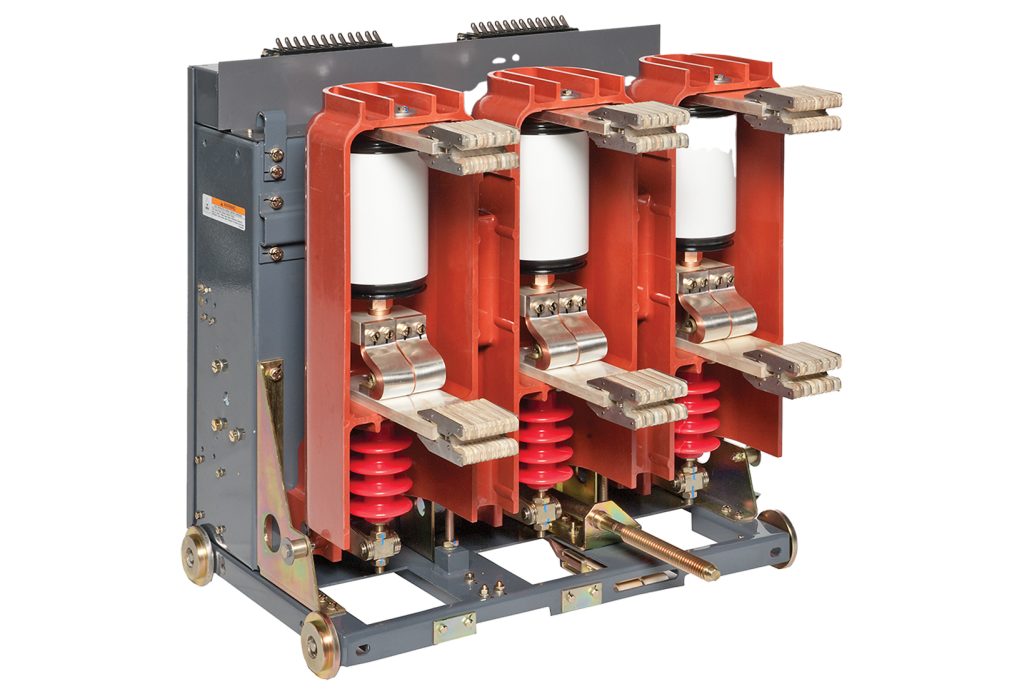
Introduction to Vacuum Circuit Breaker Types
A vacuum circuit breaker is a critical device used in medium-voltage power systems to ensure the safety and reliability of electrical networks. The vacuum circuit breaker operates by interrupting current flow during faults and extinguishing arcs within a vacuum chamber, offering superior performance over other types of breakers. Different types of vacuum circuit breaker designs exist, each optimized for specific applications, voltage levels, and operational requirements. The Vacuum circuit breaker is widely used in industrial plants, substations, and commercial facilities due to its long service life, fast fault interruption, and low maintenance needs. Selecting the appropriate vacuum circuit breaker type is crucial for system safety and operational efficiency. Engineers rely on vacuum circuit breaker units to protect transformers, motors, and critical electrical infrastructure. A vacuum circuit breaker ensures consistent operation even under high-frequency switching and fluctuating load conditions. With its compact design, the vacuum circuit breaker can fit into various switchgear configurations. The vacuum circuit breaker also provides environmentally friendly performance as it does not use oil or harmful gases. Overall, understanding the technical differences among vacuum circuit breaker types allows for informed decisions when designing and maintaining electrical systems.
Types of Vacuum Circuit Breakers
Fixed Type Vacuum Circuit Breaker
The fixed type vacuum circuit breaker is permanently installed within the switchgear and is ideal for stable electrical installations. This type of vacuum circuit breaker provides high reliability due to its rigid mounting, reducing mechanical wear and operational vibrations. The fixed vacuum circuit breaker is suitable for applications where switching operations are infrequent but safety and durability are essential.
Withdrawable Type Vacuum Circuit Breaker
The withdrawable vacuum circuit breaker offers mobility, allowing the breaker to be removed for maintenance or replacement without disturbing the rest of the system. This type of vacuum circuit breaker is widely used in industrial plants and substations where continuity of service is crucial. The withdrawable vacuum circuit breaker provides the flexibility to isolate the unit safely, minimizing downtime and enhancing operational efficiency.
Column Type Vacuum Circuit Breaker
The column type vacuum circuit breaker features separate vacuum interrupters arranged in columns for each phase. This design ensures better heat dissipation and simplifies maintenance. Column type vacuum circuit breaker units are commonly used in medium-voltage systems and offer enhanced reliability for high-load operations.
VD4 Type Vacuum Circuit Breaker
The VD4 type vacuum circuit breaker is a compact and modular design, suitable for automation and integration with modern switchgear. This type of vacuum circuit breaker allows remote operation and monitoring, making it ideal for smart grid applications. The VD4 vacuum circuit breaker combines fast response, long life, and low maintenance requirements.
Technical Parameters for Comparison
Rated Voltage and Current
Different vacuum circuit breaker types are designed for specific voltage and current ratings. Fixed and withdrawable types typically cover medium-voltage ranges from 3.3 kV to 36 kV. The VD4 vacuum circuit breaker can operate efficiently in similar ranges but is optimized for compact switchgear systems. Selecting a vacuum circuit breaker with the correct voltage and current rating ensures safe and reliable operation.
Interrupting Capacity
The interrupting capacity, or breaking capacity, is a critical parameter of a vacuum circuit breaker. Fixed type breakers usually have higher rated capacities due to robust construction, while withdrawable and VD4 types offer sufficient capacity for standard industrial and commercial applications. A vacuum circuit breaker with an appropriate interrupting rating prevents damage to electrical equipment during short-circuit events.
Mechanical Endurance
Mechanical endurance refers to the number of operating cycles a vacuum circuit breaker can perform without failure. Fixed vacuum circuit breaker units are highly durable and suitable for systems with moderate switching operations. Withdrawable and VD4 vacuum circuit breaker types are designed for frequent operation, with mechanisms optimized for longevity and minimal maintenance.
Maintenance Requirements
Maintenance needs vary across vacuum circuit breaker types. Fixed units are simple but may require downtime for servicing. Withdrawable vacuum circuit breaker types offer the advantage of easy replacement and minimal disruption. VD4 vacuum circuit breaker units have modular components and require less frequent maintenance due to advanced design and automation.
Environmental Considerations
All vacuum circuit breaker types are eco-friendly as they operate without oil or SF6 gas. They produce no harmful emissions and operate silently. The compact and sealed designs of VD4 and withdrawable vacuum circuit breaker types make them ideal for environmentally sensitive or indoor installations.
Why Choose Us for Vacuum Circuit Breakers
At Aierway, we specialize in manufacturing high-quality vacuum circuit breaker units that combine safety, reliability, and innovation. Our vacuum circuit breaker products are engineered to meet international standards and provide long-term operational efficiency. By choosing Aierway, customers receive tailored vacuum circuit breaker solutions suitable for industrial, commercial, and power distribution applications. Each vacuum circuit breaker undergoes rigorous testing to ensure fault interruption capability, mechanical endurance, and environmental compliance. Our experienced team provides expert guidance, helping clients select the ideal vacuum circuit breaker type for their specific needs. Aierway is committed to delivering dependable vacuum circuit breaker technology that ensures uninterrupted power supply and enhances electrical safety.
Frequently Asked Questions (FAQs)
1. What are the main types of vacuum circuit breakers?
The main types include fixed, withdrawable, column type, and VD4 type vacuum circuit breaker units, each suited for different applications.
2. How do I choose the right vacuum circuit breaker type?
Selection depends on voltage rating, current rating, interrupting capacity, mechanical endurance, and operational requirements of the system.
3. Do vacuum circuit breakers require frequent maintenance?
Modern vacuum circuit breaker types, especially withdrawable and VD4, require minimal maintenance due to sealed contacts and advanced mechanisms.
4. Can vacuum circuit breakers be used in automated systems?
Yes, VD4 type vacuum circuit breaker units are designed for automation, remote monitoring, and smart grid integration.
5. Are all vacuum circuit breaker types environmentally friendly?
Yes, all vacuum circuit breaker units operate without oil or SF6 gas and produce no harmful emissions, making them safe for indoor and outdoor use.
Conclusion
Understanding the technical differences between vacuum circuit breaker types is crucial for selecting the right solution for electrical protection. Fixed, withdrawable, column, and VD4 vacuum circuit breaker units offer unique advantages in terms of maintenance, durability, and operational flexibility. Choosing the correct vacuum circuit breaker ensures safe and reliable power distribution, minimal downtime, and long-term system efficiency. Aierway provides high-quality vacuum circuit breaker products that meet international standards, combining innovation, durability, and customer-focused solutions. Selecting Aierway guarantees dependable vacuum circuit breaker technology that safeguards your electrical systems while optimizing performance.
About the Author