Understanding Steel Structure Design Basics
Definition and Importance of Steel Structure Design
Steel structure design refers to the process involved in designing structures made primarily of steel. This discipline is critical in the fields of civil and structural engineering, as it incorporates architectural design, the development of structural concepts, and the analysis of the steel elements to ensure the viability and safety of the structure. Not only is the aesthetic appeal of a building pivotal, but the strength and durability of its framework are paramount. Steel is favored due to its high strength-to-weight ratio, making it an ideal choice for a wide variety of structures, from residential buildings to expansive commercial and industrial complexes.
The significance of steel structure design cannot be overstated. As urban populations grow and the need for efficient construction methods increases, steel frameworks provide solutions that are both robust and economical. Additionally, the steel structure design enables architects and engineers to push the boundaries of creativity while ensuring buildings can withstand different loads and environmental factors.
Key Principles of Engineering in Steel Structure Design
The core principles governing steel structure design encompass various engineering tenets. These principles include:
- Load-Bearing Capability: Understanding how loads affect a structure is foundational. Designers must consider various types of loads such as dead loads, live loads, wind loads, and seismic forces.
- Material Mechanics: Knowledge of the properties of steel, including yield strength, elasticity, and ductility, is essential in determining how the material behaves under different conditions.
- Stability: Ensuring that a structure can maintain its shape and position under applied loads is crucial. This involves checking for buckling, lateral-torsional buckling, and serviceability limits.
- Serviceability: Structures must not only be strong but also provide comfort and usability. Deflection limits and vibration frequencies are key considerations to ensure occupants’ comfort.
- Connection Design: The effectiveness of a steel structure heavily relies on how its components connect with one another, thus influencing load transfer and stability.
Common Materials Used in Steel Structure Design
While steel is the primary material used, various grades and types provide specific benefits depending on the application. Common materials include:
- Carbon Steel: Widely used due to its high strength and versatility. Various grades cater to different structural needs, including carbon content adjustments to enhance performance.
- Alloy Steel: Contains elements such as chromium and nickel that enhance its strength and corrosion resistance, making it suitable for challenging environments.
- Stainless Steel: Renowned for its corrosion resistance, it is often used in architectural applications and environments prone to moisture.
- Steel Composites: These materials combine steel with other materials, improving thermal and acoustic properties while maintaining structural integrity.
Typical Components of Steel Structure Design
Beams and Their Role in Structural Integrity
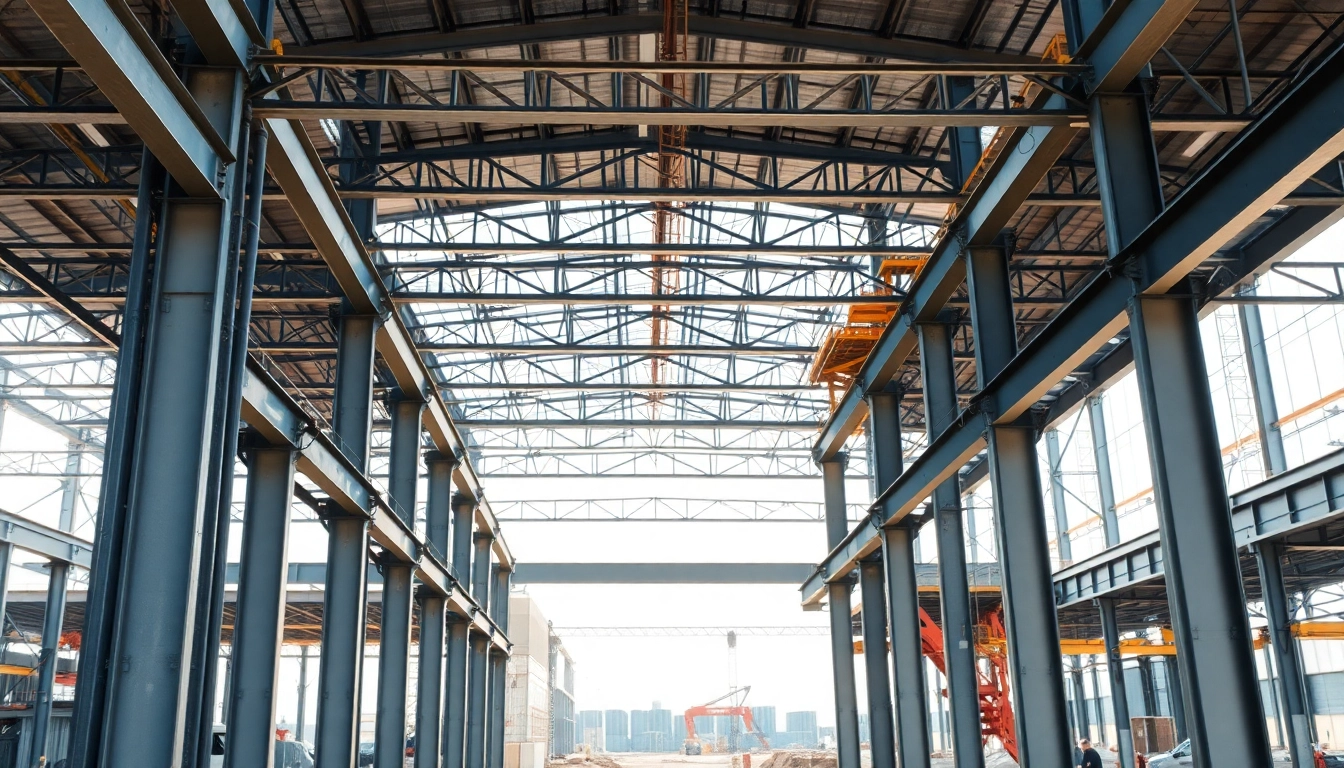
Beams are horizontal members designed to withstand bending forces and support loads in a structure. They transfer the load from the roof, floors, or walls to columns or walls below. Different types of beams include:
- Rolled Beams: Standardized beams manufactured in shapes like I-beams, T-beams, and channels.
- Composite Beams: These combine steel beams with a concrete slab to enhance load capacity and stiffness.
The effective design of beams involves calculating the moment of inertia, which helps predict how much a beam will deflect under load. An efficient beam design not only ensures structural integrity but also minimizes material costs.
Columns: The Backbone of Steel Structure Design
Columns serve as vertical support members that carry loads from the beams, transferring these forces to the foundation. Their effective design hinges on several factors:
- Height to Depth Ratio: A slender column might buckle under compressive loads, necessitating a careful calculation of dimensions.
- Load Type: Understanding whether a column will bear axial loads, bending moments, or lateral loads guides design choices.
Common types of columns include square, round, and rectangular columns, each selected based on design needs and aesthetic requirements.
Connections: Ensuring Stability in Steel Structure Design
The design of connections is critical to the overall stability and integrity of steel structures. Connections can be categorized as:
- Welded Connections: These are created by melting the base metals together, forming a continuous connection that can carry large loads.
- Bolted Connections: Utilizing bolts to connect steel elements is advantageous for ease of construction and disassembly if necessary.
- Riveted Connections: While less common today, they played a significant role in historical steel construction.
A well-designed connection enables efficient load transmission between structural members and prevents failure points that could compromise the building’s safety.
Best Practices for Effective Steel Structure Design
Load Calculations and Material Selection
Accurate load calculations are fundamental in steel structure design, ensuring that all loads are accounted for in the design process. Engineers must assess dead loads, which include the weight of structural elements, and live loads, which encompass movable forces, such as occupants and furniture.
Material selection is equally essential. Engineers should consider factors like the environment, required strength, and cost when selecting steel grades and forms. By using advanced simulation software, engineers can predict how different materials perform under specific conditions, leading to optimized design outcomes.
Design Software and Tools for Steel Structure Design
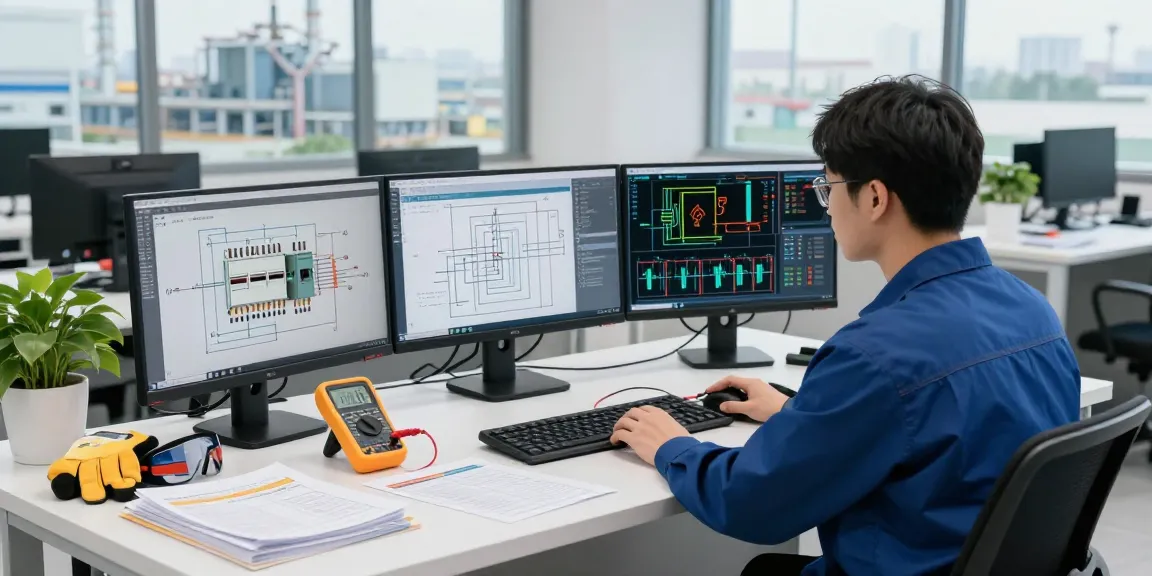
Today’s designers have access to sophisticated software that streamlines the steel structure design process. Tools like Autodesk Revit, SAP2000, and Tekla Structures enable:
- Modeling: Creating detailed 3D models that visualize the structural framework.
- Analysis: Running simulations to understand how the structure behaves under various loads.
- Documentation: Generating construction documents and blueprints based on the designs created in the software.
The integration of Building Information Modeling (BIM) into the design process has dramatically increased efficiency, allowing for virtual collaboration among project stakeholders and reducing errors during construction.
Quality Control Measures in Steel Structure Design
Ensuring the quality and safety of steel structures requires rigorous quality control measures throughout the design and construction phases. Key aspects include:
- Material Testing: Testing steel components for strength, ductility, and corrosion resistance should be a standard practice before any assembly.
- Inspections: Regular inspections during the construction phase help ensure that the work adheres to design specifications and safety standards.
- Post-Construction Evaluation: After construction, structures should undergo evaluations to identify and rectify any potential issues before they can cause major problems.
Case Studies: Successful Examples of Steel Structure Design
Innovative Projects: Analyzing Design Choices
There are numerous examples of projects that exemplify effective steel structure design. One notable case is the Sydney Opera House, which utilizes complex geometric forms made possible by innovative steel design and connections, showcasing aesthetics and engineering prowess.
This iconic project required not just standard structural design but a collaborative approach that combined architecture and engineering seamlessly. By using a modular construction process, builders were able to fabricate components off-site, which enhanced quality and reduced assembly time.
Lessons Learned from Notable Steel Structure Design
Every successful project provides lessons that can be utilized in future designs. For instance, evaluating the collapse of the Ronan Point apartment building revealed critical insights regarding the importance of proper connections and load path considerations. An understanding of load distribution and the potential points of failure resulted in new guidelines for future high-rise structures.
Future Trends in Steel Structure Design
The future of steel structure design is poised for transformative changes driven by advanced technologies, sustainability considerations, and innovative design philosophies. Emerging trends include:
- Use of Recycled and Eco-friendly Materials: There is a growing focus on sustainability, leading to increased use of recycled steel and environmentally friendly construction practices.
- Smart Structures: The integration of sensors and smart technology to monitor the health of structures in real-time is becoming more common, facilitating proactive maintenance.
- Modular and Prefabricated Designs: These approaches allow for quicker assembly times and optimized use of materials, reducing waste and improving construction efficiency.
Challenges and Solutions in Steel Structure Design
Addressing Common Design Challenges
Designing steel structures involves overcoming various challenges. One common issue is effectively managing the complexities of load transfer, especially in structures with irregular geometries or multiple load sources. Engineers can use advanced analytical methods and software to model these complexities and ensure safe and efficient designs.
Another challenge is the coordination between various stakeholders, including architects, engineers, and contractors. Effective communication and collaboration platforms can help mitigate these issues, ensuring everyone is aligned throughout the project lifecycle.
Environmental Considerations in Steel Structure Design
The environmental impact of steel production and construction is a pressing concern. Designers must consider lifecycle assessments of materials and integrate sustainable practices. This includes limiting emissions during fabrication, optimizing waste management, and considering the replenishment of natural resources. By adopting sustainable steel sourcing practices and energy-efficient technologies, the environmental footprint of steel structures can be significantly reduced.
Enhancing Durability and Longevity in Steel Structure Design
Durability is a crucial aspect of steel structure design, primarily concerned with protecting the steel from environmental degradation. Best practices include:
- Corrosion Prevention: Employing coatings, galvanizing, or using weathering steel to enhance resistance to corrosive environments.
- Regular Maintenance: Implementing maintenance schedules to inspect and remedy wear issues can extend the lifespan of a structure significantly.
- Design for Durability: Selecting appropriate materials and design strategies that accommodate long-term performance expectations can enhance structures’ overall durability.