
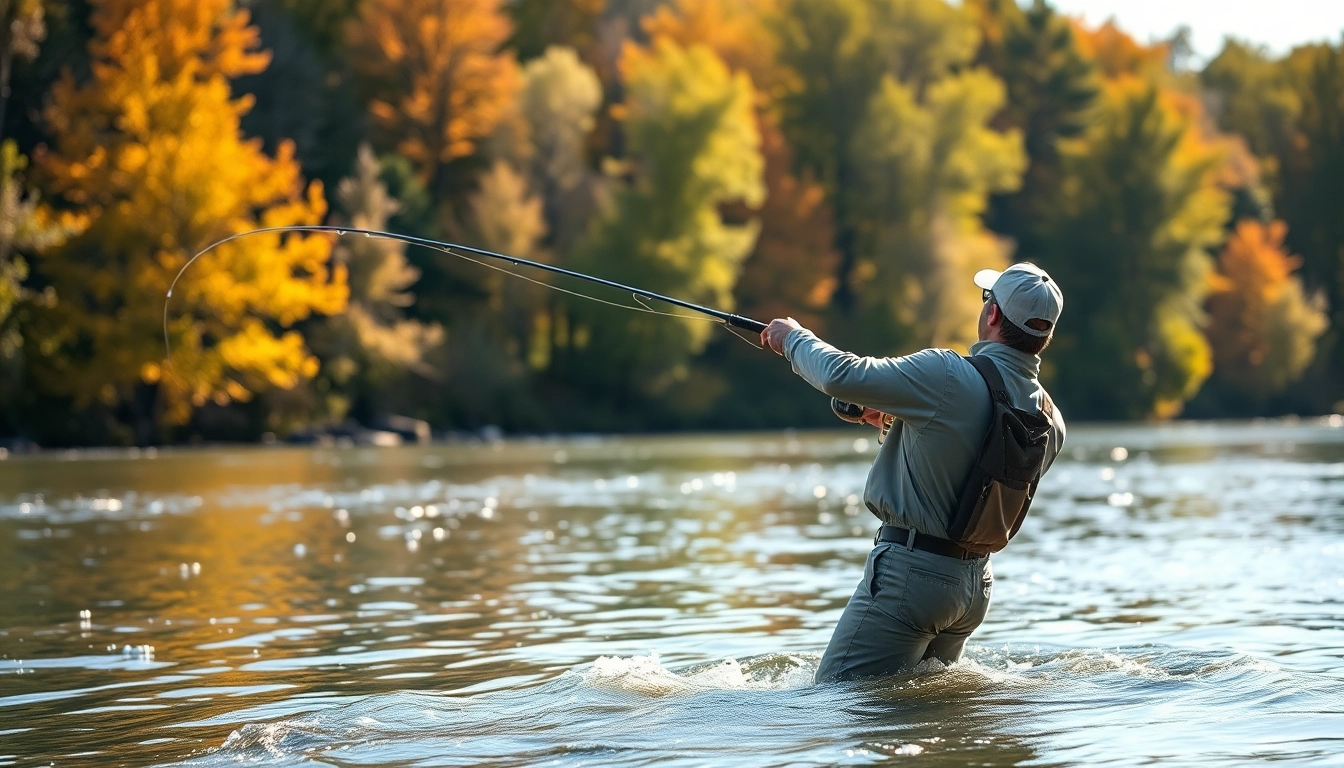
Understanding the Essential Features of the Best Fly Fishing Rods
Choosing the right fly fishing rod can substantially enhance your fishing experience. The Best fly fishing rods combine various elements such as construction materials, weight, length, and action types to cater to the unique scenarios anglers find themselves in. Knowing the essentials can lead to a more informed decision when making a purchase.
Materials and Construction
Fly rods are typically constructed from a variety of materials which can influence their performance and weight. The most common materials include:
- Graphite: Lightweight and sensitive, graphite is arguably the most popular material for modern fly rods, offering excellent durability and flex.
- Fiberglass: Known for its moderate flex and durability, fiberglass rods are ideal for beginners as they tend to be forgiving and less likely to break.
- Composite Materials: Some rods utilize a combination of materials to meld the advantageous properties of each, such as lightweight and responsiveness.
The choice of construction method, whether it be spigot or tip-over-butt ferrules, also matters. Some anglers prefer one-piece rods for improved sensitivity, while others find multi-piece rods more convenient for transport.
Weight and Length Considerations
The weight classification of a fly rod, typically ranging from 1 to 12, indicates the line weight it can effectively handle. For example:
- 1-3 Weight: Best suited for small streams targeting panfish and trout.
- 4-6 Weight: All-around choices that provide versatility in various freshwater situations.
- 7-12 Weight: Ideal for larger fish and saltwater conditions such as bonefish or tarpon.
Rod lengths also vary. Typical lengths range from 8 to 10 feet, with longer rods providing better casting distance and control against winds, while shorter rods offer more maneuverability.
Action Types Explained
The action of a fly rod refers to the speed and location of its flex when under load. Understanding these types can help match a rod to your fishing style:
- Fast Action: These rods bend predominantly near the tip and are great for long-distance casts, allowing for quick line speed and minimal energy expenditure.
- Medium Action: These offer a balance between sensitivity and distance, making them suitable for various fishing techniques.
- Slow Action: Ideal for delicate presentations and short casts, slow action rods flex throughout their length, making them forgiving and easy to cast.
Identifying Your Fishing Style and Its Impact on Rod Selection
Understanding your fishing style is central to selecting the right rod. Factors include whether you’re targeting freshwater or saltwater, the types of species you’re after, and the techniques you’ll employ.
Freshwater vs. Saltwater Applications
When selecting a fly rod, it’s essential to differentiate between freshwater and saltwater needs:
- Freshwater Rods: Consider lighter rods (4-6 weight) suitable for trout, bass, and panfish. These rods should also exhibit good flexibility for technical casts.
- Saltwater Rods: Heavier rods (8-10 weight) designed to handle robust species such as tarpon or permit require robustness and corrosion resistance in both construction materials and guides.
Target Species and Techniques
Your target species will influence several rod characteristics:
- Trout: A versatile 5-weight rod in 9-foot length is often recommended.
- Bass: A 6-8 weight rod allows for the use of heavier lines and larger flies.
- Saltwater Species: Depending on the species, an 8–10 weight rod is advisable, with fast action for quick response against strong movements.
Seasonal Considerations
Seasons can also necessitate different types of rods or setups:
- Spring: As fish become more active, a medium action rod can handle a variety of techniques.
- Summer: Fast action rods become favorable for casting in windy conditions.
- Fall/Winter: Slower action rods may help in presenting delicate patterns to lethargic fish.
Top Picks for the Best Fly Fishing Rods in 2025
Below are curated recommendations for various skill levels to ensure an optimal fly fishing experience.
Best Options for Beginners
Newcomers should consider rods that offer a good mix of performance, durability, and price. A 9-foot, 5-weight rod is often cited as the ideal starting point. Some top picks include:
- A rod that is lightweight yet robust for beginners to help develop their timing and accuracy without overwhelming them.
- Recommended length that caters to small streams and larger rivers, allowing for diverse fishing situations.
Mid-Range Choices for Enthusiasts
For those who have honed their skills and want to enhance their equipment, mid-range options often provide advanced material and action types:
- Rods that strike a balance between performance and price, offering attributes like sensitivity and strength.
- Multi-piece rods for improved portability without sacrificing performance.
High-End Premium Models for Professionals
Serious anglers may opt for top-tier rods crafted with the highest quality materials and technologies:
- Advanced construction techniques produce lightweight yet sturdy rods for precise casting performance.
- These rods often come with lifetime warranties, demonstrating the manufacturer’s confidence in their product.
How to Properly Maintain and Care for Your Fly Fishing Rod
Proper maintenance extends the lifespan of your fly rod, enhancing performance on the water. Here are essential care practices:
Cleaning Techniques and Best Practices
Cleaning your fly rod after every use is crucial, especially after saltwater fishing:
- Rinse the rod with freshwater to remove any debris, salt, or grime.
- Use a soft cloth to wipe down the cork grip and guides to remove residue.
Storage Solutions for Longevity
Storing your rod properly can prevent unwanted damage:
- Use a protective case to keep rods safe from impacts or environmental conditions.
- Store rods in a vertical position when possible to reduce pressure on guides and ferrules.
Common Repairs You Can Handle
Small repairs often can be done without professional help:
- Replacing guides if they become chipped or cracked is a straightforward repair that can easily be tackled with some tools.
- Re-wrapping loose or frayed line is manageable with practice and can enhance overall performance.
Tips for Optimizing Your Fly Fishing Experience
Here are several strategies to elevate your fly fishing experience beyond the basic setup:
Essential Accessories to Enhance Your Set-Up
Accessories can enhance your fishing efficiency and comfort:
- Quality reels that match your rod weight to ensure balance.
- Fly boxes that are easy to organize for quick access to the right patterns.
Developing Casting Techniques
Perfecting your casting technique can dramatically improve your experience:
- Practice roll casting and double haul techniques for increased distance and accuracy.
- Utilize drills that focus on timing and rhythm to achieve a smoother casting style.
Understanding Local Ecosystems for Better Fishing Success
Familiarizing yourself with local ecosystems can enhance your fishing strategy:
- Understanding the life cycle of local fish species can dictate the best time and method for fishing.
- Consideration for the specific types of insects present to match your fly patterns accordingly.